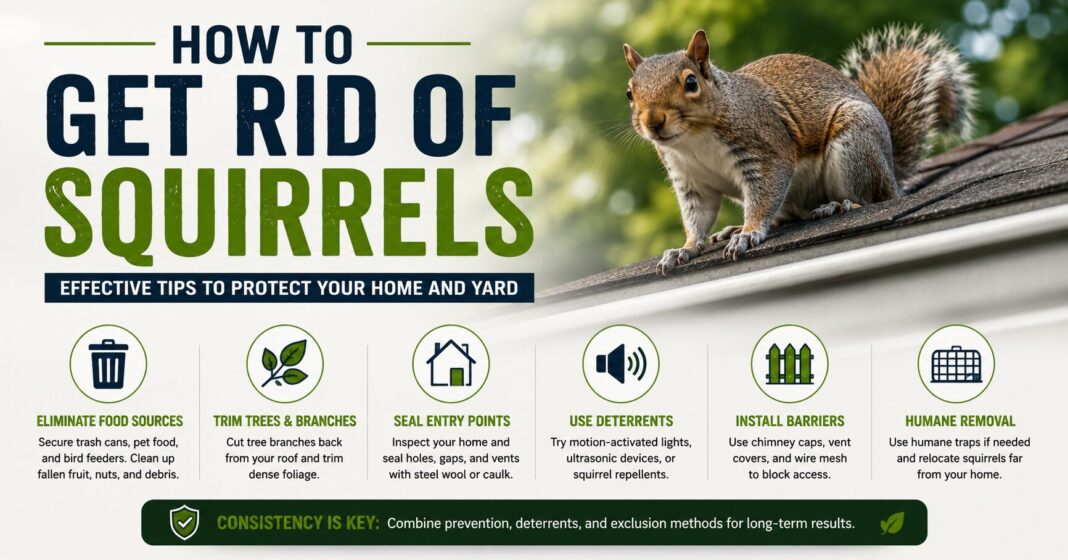

Squirrels may appear harmless and even entertaining in outdoor spaces, but they can quickly turn into a serious nuisance when they invade your home or garden. From chewing electrical wires and damaging insulation to destroying plants and stealing food, these persistent rodents can cause significant problems if left unchecked.
Understanding how to get rid of squirrels is essential for protecting your property and maintaining a safe living environment. By identifying early signs of infestation, using effective natural remedies, and applying practical prevention strategies, homeowners can successfully manage and prevent squirrel-related issues before they escalate.
| Section | Key Points |
| Introduction | Squirrels can damage homes and gardens. |
| Why Squirrels Are a Problem | Attracted to food, shelter, and easy entry points. |
| Signs of Infestation | Noises, chewed areas, droppings, nesting materials. |
| Health & Safety Risks | Bites, diseases, and fire hazards from wires. |
| Natural Repellents | Strong scents like peppermint, garlic, and vinegar. |
| Food Source Control | Secure trash and remove outdoor food. |
| Deterrent Devices | Use lights, sprinklers, and decoys. |
| Home Remedies | Cayenne spray, vinegar, coffee grounds. |
| Attic Removal | Seal entry points and use exclusion doors. |
| Prevention Tips | Trim trees and secure vents/openings. |
| Final Thoughts | Combine methods for best results. |
How To Get Rid Of Squirrels?
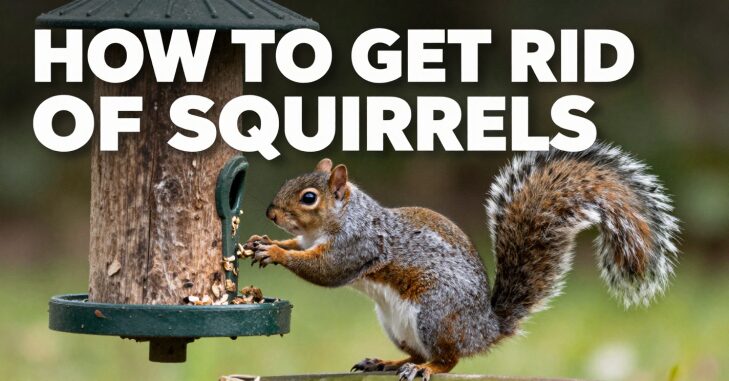
Squirrels may look cute and harmless when seen running around parks or trees, but they can quickly become a serious nuisance when they invade your home or garden. These small rodents are highly active, intelligent, and persistent, which makes them difficult to deal with once they settle in.
From chewing wires to damaging insulation and stealing food from gardens, squirrels can cause both structural and financial damage. Understanding how to get rid of squirrels effectively requires a combination of awareness, preventive measures, and practical solutions.
Why Squirrels Become a Problem?
Squirrels are naturally attracted to environments that provide easy access to food, water, and shelter. Homes with accessible roofs, open vents, or nearby trees create the perfect opportunity for squirrels to enter attics and build nests. Gardens filled with fruit, vegetables, or bird feeders also serve as major attractions.
Once squirrels find a safe, comfortable place, they tend to stay and reproduce, worsening the problem. Their constant gnawing behavior, which helps keep their teeth sharp, leads them to chew on wood, plastic, and even electrical wiring. This not only damages property but can also pose fire hazards.
Signs You Have a Squirrel Problem
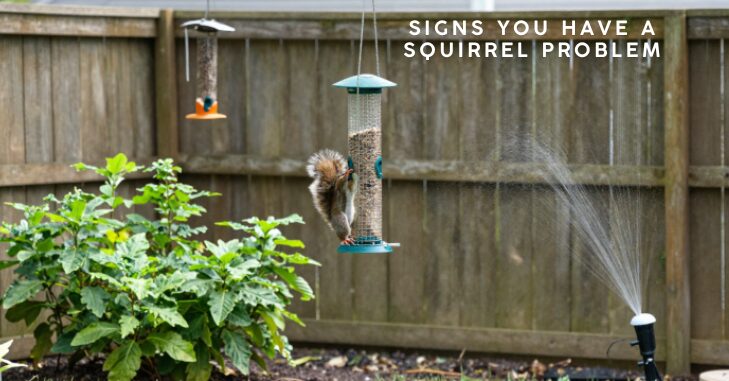
- Unusual noises such as scratching, scurrying, or thumping sounds in the attic or walls, especially during early morning or late afternoon, are a strong sign of squirrel activity.
- Squirrels are diurnal animals, so they are most active during the day, making daytime noises a key indicator of their presence.
- Visible damage around your home, such as chewed wooden beams, shingles, or vents, often indicates that squirrels are trying to gain entry.
- Bite marks on electrical wires are another warning sign and can pose a serious fire hazard.
- In gardens, missing fruits, dug-up soil, or half-eaten vegetables suggest that squirrels are feeding in the area.
- Squirrel droppings, although small and less noticeable, can still indicate an infestation.
- The presence of nesting materials like leaves, twigs, and shredded insulation in attics or corners of your home is a clear sign that squirrels have settled in.
Is It Dangerous to Have Squirrels Around?
While squirrels are not typically aggressive, they can become dangerous if they feel threatened or cornered. They may bite or scratch, potentially transmitting diseases. Additionally, their droppings can carry bacteria and parasites that may pose health risks.
The biggest danger, however, lies in the structural damage they cause. Chewed electrical wires increase the risk of fire, while damaged insulation can lead to energy inefficiency and higher utility bills. Over time, their nesting and chewing habits can weaken parts of your home, resulting in costly repairs.
Step-by-Step Guide: Natural Ways to Get Rid of Squirrels
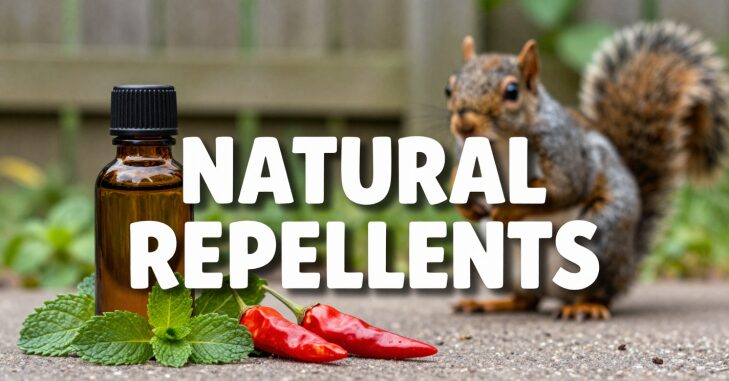
1. Use Strong Scents as Natural Repellents
Many homeowners prefer natural methods to remove squirrels, as they are safe, eco-friendly, and humane. One effective approach is using strong scents that squirrels dislike. Substances such as peppermint oil, garlic, vinegar, and ammonia can be used to deter them. Soaking cotton balls in these solutions and placing them in affected areas can help deter squirrels.
2. Eliminate Food Sources
Another natural solution is removing food sources. Ensure that trash bins are tightly sealed, bird feeders are squirrel-proof, and fallen fruits or seeds are cleaned regularly. Without a reliable food supply, squirrels are less likely to stay.
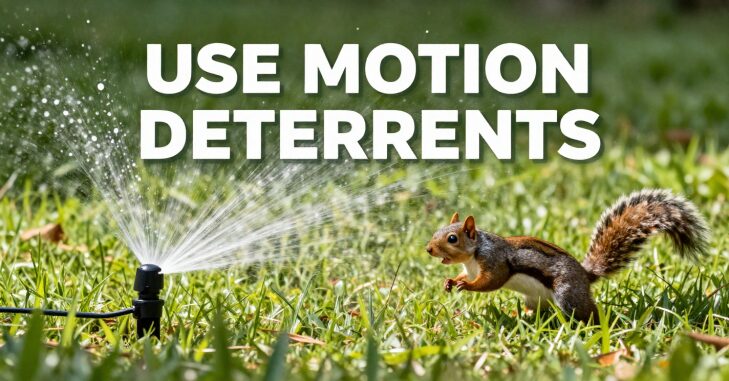
3. Use Motion-Activated Devices
Installing motion-activated sprinklers or lights can also be highly effective. These devices startle squirrels and discourage them from returning to your yard.
4. Place Predator Decoys
Additionally, predator decoys, such as fake owls or hawks, can create a sense of danger, though their effectiveness may decrease over time as squirrels adapt.
Best Home Remedies for Squirrel Control
- Home remedies are a popular choice for dealing with squirrels because they are affordable, convenient, and easy to use.
- Cayenne pepper spray is a widely used remedy, made by mixing cayenne pepper with water and a small amount of dish soap.
- This solution can be sprayed on plants, entry points, and areas where squirrels are active to repel them effectively.
- The strong smell and taste of cayenne pepper act as a natural deterrent for squirrels.
- Apple cider vinegar is another simple remedy, as its pungent odor helps keep squirrels away when sprayed around entry points or nesting areas.
- Coffee grounds are also useful because squirrels dislike their strong scent, and sprinkling them in the garden can help protect plants.
- Aluminum foil and other reflective surfaces can be used to scare squirrels by creating reflections and noise.
- The combination of light reflection and sound makes the environment uncomfortable for squirrels, encouraging them to leave.
How to Remove Squirrels from the Attic?
Removing squirrels from the attic requires careful planning to prevent their return. The first step is to identify all entry points. Look for holes, gaps, or damaged vents that squirrels may be using to enter. Once identified, these openings should be sealed, but only after confirming that no squirrels are trapped inside. Using one-way exclusion doors is one of the most effective methods. These devices allow squirrels to exit but prevent them from re-entering.
Over time, all squirrels will leave the attic, making it safe to permanently seal the entry points. After removal, it is important to clean and disinfect the area. Remove nesting materials, droppings, and damaged insulation. This not only eliminates odors that may attract other pests but also ensures a healthier living environment.
Preventing Squirrels from Coming Back
Prevention is the most important step in long-term squirrel control. Start by trimming tree branches that are close to your roof, as they provide easy access for squirrels. Maintaining a distance of 6 to 8 feet between trees and your home can significantly reduce the risk of infestation. Securing trash bins and removing outdoor food sources is equally important.
Bird feeders should be placed strategically or replaced with squirrel-proof designs. Regularly inspecting your home for cracks, holes, or weak spots can help you address potential entry points before squirrels find them. Installing metal mesh or wire over vents, chimneys, and openings adds an extra layer of protection. These barriers prevent squirrels from entering while still allowing proper ventilation.
Final Thoughts
Dealing with squirrels can be challenging, but with the right approach, it is possible to manage and prevent infestations effectively. Understanding the signs of a squirrel problem, using natural remedies, and implementing preventive measures are key steps in maintaining a squirrel-free home.
Consistency is crucial for squirrel control. Combining multiple methods, such as removing food sources, sealing entry points, and using deterrents, increases your chances of success. By staying proactive and vigilant, you can protect your home and garden from the damage these persistent rodents cause while ensuring a safe, comfortable living environment.
Want to know about Best Home Weather Stations: Complete Guide for Accurate Forecasting, Smart Monitoring, Real-Time Alerts, Wireless Sensors, App Integration, and WiFi Connectivity Check out our Home Improvement category.
FAQs
Squirrels rely heavily on their sense of smell to find food and avoid danger, meaning they absolutely despise strong, pungent odors. Their most hated smells include capsaicin (hot peppers/chili powder), peppermint oil, garlic, and predator urine (like coyote or fox).
To keep squirrels away from your garden and property, create a natural deterrent using pantry staples. The most effective homemade squirrel repellents rely on the strong taste of capsaicin (hot peppers) or the overwhelming scent of peppermint oil.
Squirrels have numerous natural predators depending on their location, but their main predators are birds of prey (such as hawks, eagles, and owls) and small carnivorous mammals.
The absolute strongest and most reliable squirrel repellents are physical barriers, such as wire mesh or chicken wire. For chemical deterrents, highly concentrated sprays utilizing capsaicin (hot pepper) or peppermint oil are the most effective at overwhelming their senses.