
Children often feel shy or uncertain when they join a new classroom, camp group, or social activity. Meeting unfamiliar people can make them quiet or nervous. This is where icebreaker games for kids play an important role. These simple and engaging activities help children relax, talk, laugh, and get to know each other comfortably.
Teachers, parents, and camp leaders often use icebreaker games to foster a friendly, welcoming environment. These games encourage children to communicate, cooperate, and participate in group activities without fear or pressure.
Research in child development shows that playful social interaction helps children improve focus, memory, and emotional well-being. When kids play together, their brains release chemicals linked with happiness and motivation. As a result, children become more open, confident, and willing to learn.
Key Insights About Fun Ice Breaker Games For Kids
| Purpose of Ice Breaker Games | Help children feel comfortable and relaxed when meeting new people. |
| Ideal Settings | Suitable for classrooms, camps, youth groups, and family gatherings. |
| Main Goal | Encourage communication, friendship, and teamwork among children. |
| Social Benefits | Helps children build connections and develop strong friendships. |
| Emotional Benefits | Reduces shyness and helps children feel confident in groups. |
| Cognitive Benefits | Supports creativity, memory, and problem-solving skills. |
| Age Suitability | Can be adapted for preschoolers, elementary students, and teens. |
| Group Interaction | Encourages children to interact with and learn about one another. |
| Confidence Building | Helps shy children participate and express themselves. |
| Teamwork Development | Teaches cooperation and respect for others’ ideas. |
| Classroom Engagement | Makes the learning environment more active and enjoyable. |
| Communication Skills | Encourages children to speak, listen, and share ideas. |
| Emotional Intelligence | Helps kids understand and express emotions better. |
| Creativity Boost | Many games encourage imagination and storytelling. |
| Physical Activity | Some icebreaker games involve movement and energy. |
| Positive Environment | Creates a friendly and welcoming group atmosphere. |
| Problem-Solving Skills | Certain games challenge children to think creatively. |
| Friendship Building | Helps children quickly form meaningful social bonds. |
| Participation Encouragement | Motivates every child to take part in activities. |
| Learning Through Play | Combines fun with educational and developmental benefits. |
| Ice Breaker Duration | Most games take only 5–15 minutes to complete. |
| Flexibility | Games can be modified based on group size and age. |
| Role of Leaders | Teachers and parents guide activities and encourage inclusion. |
| Group Energy | Icebreakers energize children before lessons or events. |
| Overall Impact | Helps create a supportive, fun, and interactive environment for kids. |
Why are Ice Breaker Games for Kids Important?
Ice breaker activities offer much more than entertainment. They support important areas of a child’s development, including social confidence, teamwork, and emotional awareness.
Many children feel nervous when they meet new classmates or join unfamiliar groups. Icebreaker games provide a structured way for them to interact, helping them feel comfortable and included.
1. They Improve Communication Skills
Games that involve conversation, storytelling, or acting help children practice speaking clearly and listening carefully. These skills are essential for healthy social interactions.
2. They Encourage Friendship
When children laugh and complete activities together, they naturally begin to trust and understand one another.
3. They Promote Teamwork
Group games teach kids how to cooperate, share ideas, and solve problems together. These experiences help children understand the value of working as a team.
4. They Support Emotional Growth
This helps them develop empathy and emotional intelligence.
Best Ice Breaker Games for Kids
Below are some engaging and easy icebreaker games that work well in classrooms, camps, youth groups, and family gatherings.
1. Name Ball Toss
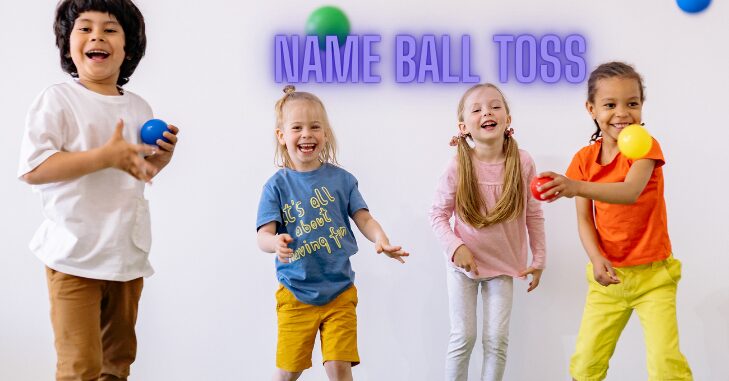
This simple activity helps children learn each other’s names quickly.
How to Play?
- Invite the kids to gather and stand in a circle.
- One child tosses a soft ball to another child while saying their name.
- The receiving child repeats the name and tosses the ball to someone else.
Benefits
- Helps kids remember names.
- Encourages interaction.
- Builds confidence during introductions.
2. Two Truths and a Lie

This activity allows children to share interesting facts about themselves.
How to Play?
- Each child shares three statements about themselves.
- Two statements must be true, while one should be false.
- The group guesses which statement is the lie.
Benefits
- Encourages creativity.
- Helps children learn about each other.
- Builds conversation skills.
3. Human Knot

Human Knot is a popular team-building game that encourages cooperation.
How to Play?
- Children stand close together in a circle.
- Each child grabs the hands of two different people.
- Without letting go, the group untangles the knot together.
Benefits
- Encourages teamwork.
- Develops problem-solving skills.
- Improves communication.
4. Emoji Charades

This fun acting game helps children express their emotions creatively.
How to Play?
- Write different emotions or actions on small cards.
- One participant draws a card and acts out the clue without speaking.
- The group guesses what emotion or action is being performed.
Benefits
- Encourages creativity.
- Improves emotional awareness.
- Builds confidence in expressing feelings.
5. Would You Rather?

This game encourages children to think and share opinions.
How to Play?
Ask children fun questions such as:
- If given the option, would you rather explore the skies like a bird or swim in the sea like a dolphin?
- Would you rather visit the moon or explore the ocean?
- Children move to different sides of the room depending on their choice.
Benefits
- Encourages discussion.
- Builds confidence.
- Helps children express personal preferences.
6. Find Someone Who?

This activity works well in classrooms or large groups.
How to Play?
Create a set of prompts, for example:
- Find someone who has a pet.
- Find someone who enjoys drawing.
- Children walk around asking questions to find matching classmates.
Benefits
- Encourages communication.
- Helps children meet new friends.
- Improves social interaction.
7. Story Circle

Story Circle encourages imagination and teamwork.
How to Play?
- Children sit in a circle.
- One child begins a story with a single sentence.
- Each child adds another sentence to continue the story.
Benefits
- Develops creativity.
- Encourages listening skills.
- Builds collaboration.
8. Pictionary Relay

This energetic drawing game is perfect for group participation.
How to Play?
- Divide children into teams.
- One player draws a word on a board or paper.
- Teammates guess the word before time runs out.
Benefits
- Encourages creativity.
- Improves teamwork.
- Makes learning fun.
9. Question Balloon Game

This game combines excitement with conversation.
How to Play?
- Write simple questions on small pieces of paper.
- Insert the papers into balloons and then blow them up.
- Children pop a balloon and answer the questions inside.
Benefits
- Encourages self-expression.
- Builds confidence.
- Creates a lively atmosphere.
10. Friendship Web

This activity visually demonstrates how everyone in a group is connected.
How to Play?
- Children stand in a circle.
- One child holds a ball of yarn and shares something about themselves.
- They toss the yarn to another child while holding the end of the string.
- As the yarn passes around the group, it forms a web connecting everyone.
Benefits
- Encourages sharing.
- Builds community.
- Helps children feel included.
The Role of Play in Child Development
Play is essential for healthy child development. Engaging in play allows children to practice important skills such as working together, communicating, and addressing challenges. Interactive games also help children learn how to interpret facial expressions, body language, and emotions. These abilities are crucial for forming healthy relationships.
Playful group activities can also stimulate brain functions related to memory, creativity, and motivation to learn. When children enjoy the learning process, they are more likely to participate actively and retain new information.
Tips for Using Ice Breaker Games Successfully

To make icebreaker games effective and enjoyable, group leaders should follow a few simple strategies.
Keep Instructions Simple
Children engage better when the rules are clear and easy to understand.
Encourage Participation
Allow shy children to observe first if they feel uncomfortable. Gradually invite them to join when they feel ready.
Choose Age-Appropriate Activities
Different age groups enjoy different types of games. Select activities that match the children’s interests and abilities.
Focus on Fun
Ice breaker games should emphasize enjoyment rather than competition. The goal is to help children connect.
Rotate Activities
Using different games keeps the experience fresh and exciting.
How do Ice Breaker Games Create a Positive Environment?

Icebreaker games help transform any group setting into a friendly and supportive environment. When children participate in fun activities together, they feel safe and valued.
These games help children:
- Build friendships quickly.
- Feel comfortable sharing ideas.
- Develop confidence in social settings.
- Learn teamwork and cooperation.
When children feel connected with their peers, they are more likely to participate actively in classroom lessons, camp activities, and group projects.
Conclusion
Icebreaker games for kids are simple activities, but they yield powerful results in group settings. Whether used in classrooms, summer camps, youth programs, or family gatherings, these games help children feel welcomed, confident, and connected. When kids laugh and participate together, they quickly overcome shyness and start forming positive relationships.
These activities also support important developmental skills. Children improve their communication, learn how to cooperate with others, and develop problem-solving abilities. In addition, playful group interaction encourages emotional growth because kids learn how to listen, express their ideas, and respect different opinions.
If you want to read an interesting article about it, explore our Education category.
Frequently Asked Questions (FAQs)
Icebreaker games are short, fun activities designed to help children introduce themselves, communicate with others, and feel comfortable in group settings.
They work best at the beginning of new activities, such as the first day of school, summer camps, workshops, or group events.
Most icebreaker games should last 5-15 minutes to keep children engaged and energized.
Yes. Icebreaker games can be adapted for different age groups by adjusting the rules and difficulty levels.
Yes. These activities provide a safe and structured way for shy children to interact with others and gradually build social confidence.