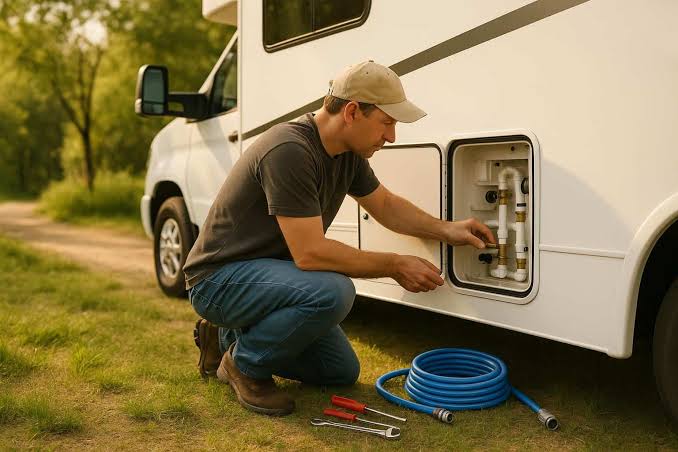

For RV owners and businesses that depend on RVs, a small mechanical issue is rarely just an inconvenience. A soft brake pedal, a slow battery drain, a roof leak, or a cooling system warning can quickly become the reason a trip is cut short, a rental is refunded, or a customer is left waiting on the side of the road.
That risk is especially real in Utah, where RVs may move from desert heat near St. George to mountain grades near the Wasatch Front in the same week. Long distances, changing elevation, dust, heat, and cold nights can all expose weak spots in a vehicle that seemed fine in the driveway. You may also want to read Avoid Mismatched Diesel Upgrades by Starting With Your Trucks Real Job.
Small Faults Rarely Stay Small on Utah Roads
Many RV problems begin quietly. A tire loses pressure slowly. A refrigerator struggles to stay cold. A slide-out motor sounds different than usual. A roof seal lets in a small amount of moisture after a storm. None of these problems may feel urgent at first, but RV systems are connected in ways that can make delay expensive.
For example, an undercharged battery may not only create starting problems. It can affect lights, appliances, leveling systems, and customer comfort. A minor coolant leak may seem manageable until a long uphill pull raises engine temperature. A small water leak can damage wall panels, flooring, insulation, and electrical components before it becomes visible.
For business owners, the issue is not only repair cost. It is downtime. A rental RV that cannot go out for a weekend booking may mean lost revenue, a frustrated customer, and extra time spent rearranging schedules. A service vehicle used for events, construction support, or mobile hospitality can cause delays across an entire operation.
Waiting Can Turn a Repair Into a Recovery Problem
One reason small RV repairs are often postponed is convenience. Taking a large vehicle to a shop can be difficult, especially when it is parked at a campground, stored outside town, or already loaded for a trip. But waiting until the problem becomes impossible to ignore usually narrows the options.
A mobile technician can often diagnose the issue where the RV sits, which may reduce towing risk and help an owner decide whether the vehicle is safe to move. For Utah operators managing seasonal demand, services such as Mobile Rv Repair Utah can be especially useful when a unit needs attention before a reservation, event, or long route.
The cost difference can be significant. Replacing a worn belt, sealing a roof edge, repairing a water pump, or addressing a battery issue early may be a manageable service call. Ignoring the same issue can lead to towing, emergency lodging, damaged interiors, canceled bookings, or days of lost use during peak travel season.
Seasonal Timing Makes Prevention More Important
Utah’s RV season places different stress on vehicles throughout the year. Spring often reveals damage from winter storage, including dead batteries, cracked seals, pest damage, and plumbing issues. Summer heat can strain air conditioners, tires, cooling systems, and refrigerators. Fall trips may bring cold nights that expose furnace problems or weak batteries. Winter storage requires attention to water lines, roof condition, and proper shutoff procedures.
Businesses that rely on RVs should treat these seasonal transitions as inspection points rather than afterthoughts. A short pre-season check can identify problems before customers, employees, or family members are depending on the vehicle. For rental operators, this can also reduce disputes by documenting that major systems were checked before the unit went out.
Even a simple maintenance log can help. Recording tire dates, battery age, appliance issues, roof inspections, and past repairs gives owners a clearer picture of what is recurring. If the same breaker trips repeatedly or the same slide-out hesitates on every trip, that pattern deserves attention before it becomes a failure.
Protect the Trip Before the Problem Controls It
The most practical repair strategy is not to wait for a dramatic breakdown. Respond when the RV first shows signs that something has changed. New sounds, warning lights, odors, leaks, weak airflow, uneven braking, and slow electrical performance are all signals worth taking seriously.
For business owners, this approach protects more than the vehicle. It protects schedules, customer trust, employee time, and seasonal revenue. For individual RV travelers, it protects the trip itself—the campsite already booked, the route already planned, and the people counting on the vehicle to get them there.
A small problem does not have to become the story of the trip. With timely attention, clear maintenance records, and repair options that meet the RV where it is, owners can keep minor issues from becoming expensive interruptions.
Want to know about Best Stocks for Beginners with Little Money Check out our Business category.