
If you are exploring precision 3D printing, understanding the basics of resin technology is important before choosing the right machine. The best resin 3D printer works by curing a liquid resin layer by layer with UV light, achieving extreme detail of 0.01–0.05 mm. Entry-level machines cost around £150–£300, while advanced systems can reach £1,200 or more.
Many users look for the best resin 3D printer because it supports applications such as miniatures, jewelry, and dental models, with exposure times of just 1–3 seconds per layer. Build volumes typically measure 130×80×160 mm, while resin costs range from £25–£80 per liter, making it essential to balance performance, accuracy up to ±0.02 mm, and long-term maintenance needs to achieve consistent, high-quality printing results.
| Basics | Detail |
| Resin Process | UV hardens liquid layer-by-layer |
| Layer Precision | 0.01–0.05 mm detail resolution |
| Application Uses | Miniatures, dental, jewelry models |
| Price Range | £150–£1,200 printer cost |
| High-End Features | 4K–8K LCD screens included |
| Exposure Time | 1–3 seconds per layer |
| Build Volume | Around 130×80×160 mm size |
| Key Features | Resolution, speed, stability control |
| Beginner Models | Easy setup, pre-calibrated plates |
| Print Speed | 20–40 mm per hour |
| Resin Cost | £25–£80 per litre |
| Professional Range | £700–£1,500 machines |
| Accuracy Level | Up to ±0.02 mm precision |
| Maintenance Time | Clean after a few prints |
| Common Issues | Adhesion and curing failures |
| Temperature Range | 20°C to 25°C ideal condition |
What Does Resin 3D Printing Mean?
Resin 3D Printing uses liquid photopolymer resin that hardens when exposed to UV light, creating highly detailed models layer by layer. This method is popular for miniatures, dental models, jewelry prototypes, and engineering parts. Compared to filament printing, resin printers offer smoother surfaces and sharper details, often achieving layer resolutions as fine as 0.01–0.05 mm, making them ideal for precision-focused projects.
Important for Detail Work
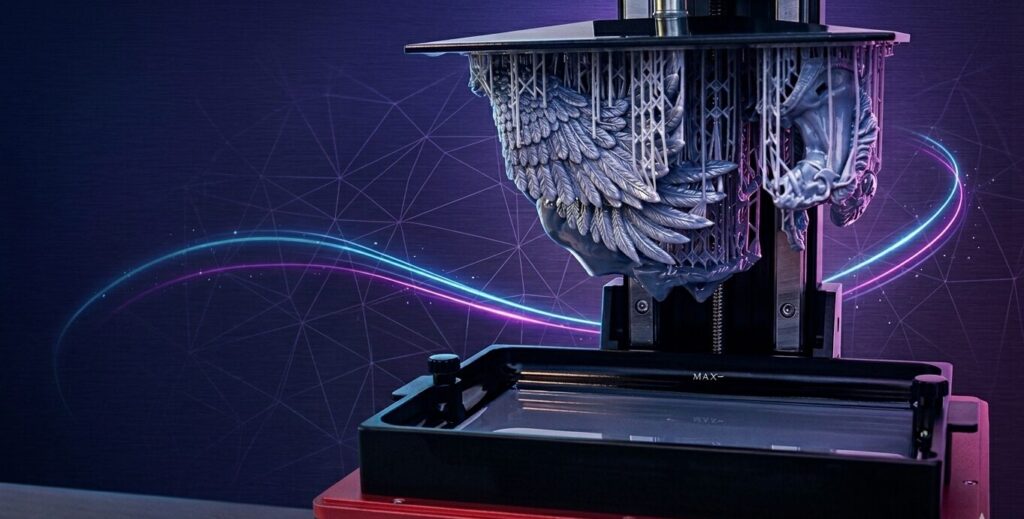
Choosing the best resin 3D printer matters because accuracy, build quality, and curing consistency directly affect print results. Entry-level models start around £150–£300, while advanced machines can exceed £600–£1,200. Higher-end printers often feature 4K or 8K monochrome LCD screens, exposure times of 1–3 seconds per layer, and improved stability during long print sessions, reducing failures.
Best Resin 3d Printer: Key Features
- When selecting a resin printer, key features include build volume, LCD resolution, layer height, and printing speed.
- A typical mid-range machine offers a build volume of around 130 × 80 × 160 mm, suitable for small to medium models.
- Exposure accuracy, anti-aliasing technology, and UV light uniformity also influence final print quality, reducing layer lines and improving smooth surface finishes.
Beginners and Hobby Use

The best resin 3D printer for beginners usually strikes a balance between affordability and ease of use. Many entry-level devices include pre-calibrated build plates, touchscreen controls, and simplified slicer software. Print speeds average 20–40 mm per hour, making them ideal for hobbyists producing tabletop gaming figures, cosplay accessories, or prototype designs without needing advanced technical knowledge or expensive maintenance systems.
Printing Speed and Performance Factors
- Resin printer performance depends on exposure time, resin type, and layer thickness settings.
- Standard layer heights range from 0.025 mm to 0.05 mm, while exposure times range from 1 to 3 seconds per layer.
- Faster printers use monochrome LCD panels that last up to 2,000 hours, significantly reducing downtime and improving long-term printing efficiency for continuous production needs.
Professional Use
The best resin 3D printer for professionals typically includes high-resolution 8K displays, large build plates exceeding 200 × 120 × 200 mm, and ±0.02 mm precision. These machines are widely used in dental labs, engineering firms, and jewelry design studios. Professional units may cost £700–£1,500 but deliver consistent output suitable for commercial-grade prototypes and manufacturing workflows.
Resin Types and Their Applications

- Different resin types affect strength, flexibility, and appearance.
- Standard resin is used for general models, while tough resin improves durability for mechanical parts.
- Flexible resin allows bending without breaking, and castable resin is used in jewelry making.
- Resin costs typically range from £25 to £80 per liter, depending on the required quality and performance characteristics for specific applications.
Maintenance and Care
The best resin 3D printer requires regular cleaning to maintain performance and print quality. Build plates should be leveled frequently, and resin tanks should be cleaned after every few prints. UV screens typically last between 1,500 and 2,500 hours before replacement. Proper maintenance reduces print failures, improves accuracy, and extends machine lifespan, especially in high-frequency usage environments.
Common Printing Problems and Fixes
- Common issues include print adhesion failure, layer shifting, and incomplete curing.
- These problems often result from incorrect exposure settings, dirty FEP films, or unstable build plates.
- Adjusting exposure time by 0.2–0.5 seconds or replacing worn films can significantly improve results.
- Maintaining a temperature range of 20°C to 25°C also helps ensure consistent resin performance throughout printing cycles.
Future of Resin Printing Technology
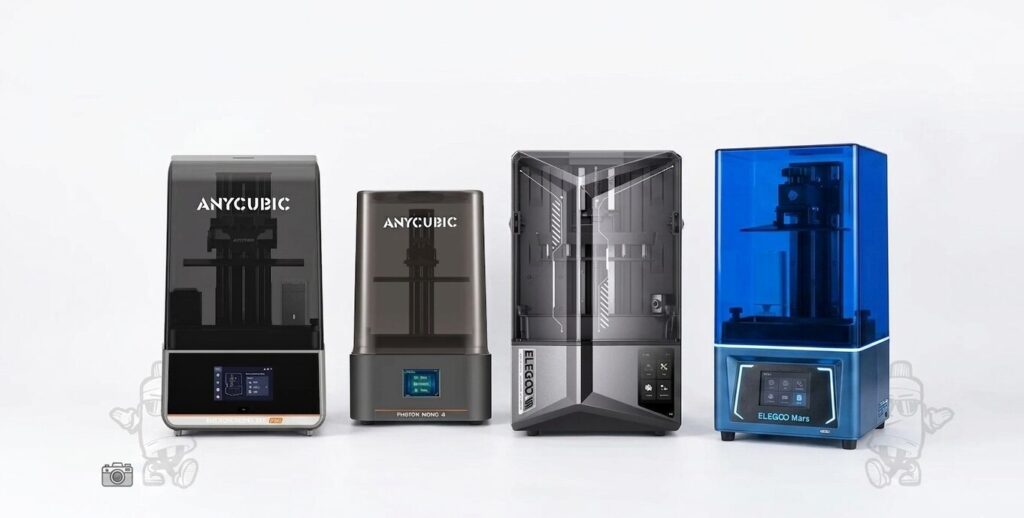
For the best resin 3D Printer, Resin printing is evolving rapidly with improvements in AI calibration, automatic leveling systems, and faster exposure technologies. New machines are achieving layer accuracies below 0.01 mm and print speeds nearly double those of older models. As costs decrease and features improve, resin printers are becoming more accessible for both hobbyists and industrial users seeking precision manufacturing solutions.
How Does Resin 3D Printing Work?
- Resin 3D printing works by using UV light to harden liquid resin layer by layer
- A digital model is sliced into thin layers, usually 0.025–0.05 mm thick, and each layer is exposed for 1–3 seconds.
- The build plate lifts gradually after each layer cures, allowing precise stacking.
- This process continues until a fully formed object with high-detail surface quality is achieved.
Main Components of a Resin Printer
A resin printer includes several key parts: an LCD screen, a UV light source, a build plate, a resin vat, and a Z-axis motor. The LCD masks each layer while UV light cures the resin beneath it. The vat holds liquid resin, and the build plate lifts the object upward. A stable frame and cooling system ensure accuracy during long printing sessions and reduce mechanical vibration.
Choosing the best 3D Printer
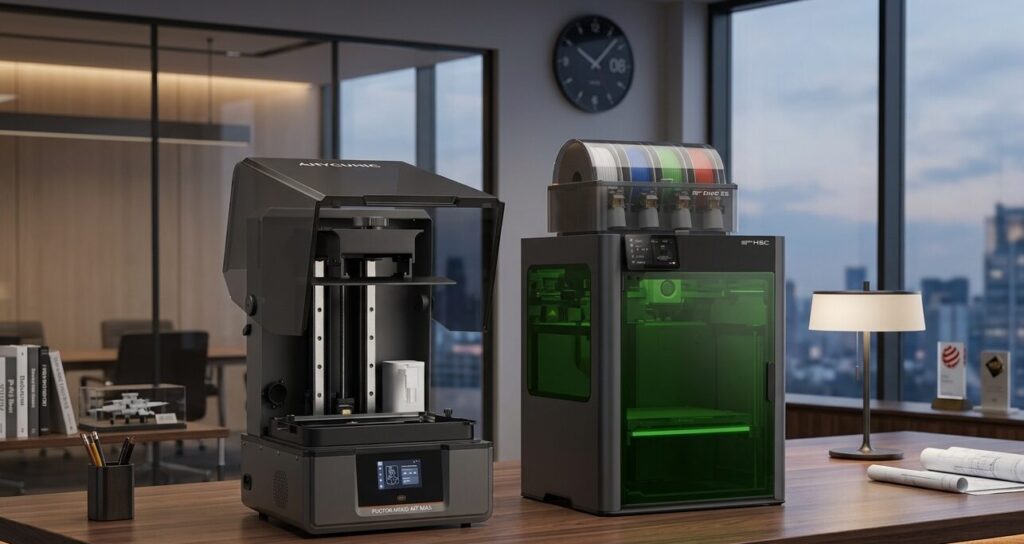
The best resin 3D printer depends on resolution, build volume, and print reliability. Models with 4K–8K screens provide sharper details, while build sizes around 130 × 80 × 160 mm suit most users. Entry-level machines cost £150–£300, while advanced units reach £1,000+. Faster exposure times, robust firmware support, and easy calibration features also significantly improve overall printing performance.
Achieving Best Print Results
To get the best results, correct exposure settings, clean resin tanks, and proper leveling are essential. Using high-quality resin costing £25–£80 per liter improves strength and finish. The temperature should remain between 20°C and 25°C for stability. Regular maintenance prevents layer failures, while correct slicing settings ensure smooth surfaces and accurate dimensions for both hobby and professional-grade models.
Conclusion
In conclusion, selecting the best resin 3D printer depends on balancing precision, cost, and performance needs. These machines typically offer layer accuracy between 0.01–0.05 mm, exposure times of 1–3 seconds, and build volumes around 130×80×160 mm. Prices range from £150 to £1,200, while professional models can reach £1,500 with ±0.02 mm accuracy.
Resin costs about £25–£80 per liter, and proper maintenance can extend the lifespan to 2,000+ hours. Choosing the best resin 3D printer ensures better detail, fewer errors, and reliable output for both hobby and professional projects, making it a valuable long-term investment for high-quality 3D Printing.
Want to know about Best CPU For Gaming 2019 Explained: Architecture, Threads, Cache, and Gaming Performance Insights Check out our Tech category.
FAQs
It works by using ultraviolet light to harden liquid material layer by layer. A digital model is sliced into thin layers, gradually forming detailed and precise 3D objects.
They are widely used for creating miniatures, dental models, jewelry prototypes, and engineering parts that require fine detail and a smooth surface finish for accurate results.
Entry-level units usually cost between £150 and £300, while advanced models can reach £1,000 to £1,500 depending on resolution, size, and additional professional features.
Liquid photopolymer materials solidify when exposed to UV light. Different types include standard, flexible, tough, and castable materials for varied applications.
Printing speed depends on layer settings and the object’s complexity, but most objects take several hours to print. Layer exposure time generally ranges from 1 to 3 seconds.